Korean Bibimbap
Highlighted under: Heritage Recipes
Korean Bibimbap is a vibrant and flavorful dish that combines a variety of fresh vegetables, rice, and protein, all topped with a delicious spicy sauce.
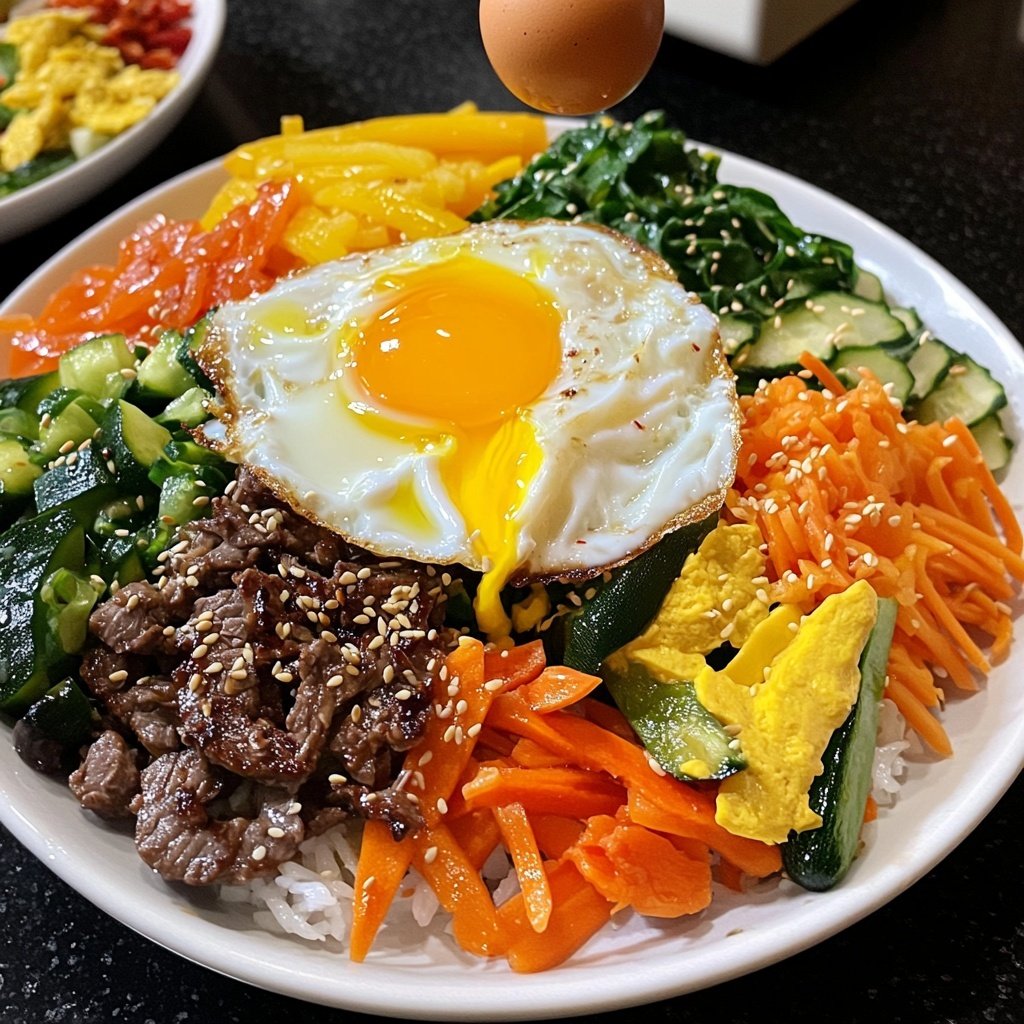
Korean Bibimbap is a colorful dish that embodies the harmony of flavors and textures found in Korean cuisine. It's a perfect way to enjoy a variety of vegetables and proteins in one satisfying bowl.
Why You'll Love This Recipe
- A wonderful mix of textures and flavors in every bite
- Customizable with your favorite vegetables and proteins
- A healthy and balanced meal that is also visually stunning
The History of Bibimbap
Bibimbap, which translates to 'mixed rice,' has deep historical roots in Korean cuisine, dating back to the 16th century. Originally, it was a dish that utilized leftover ingredients, allowing families to create a wholesome meal from what they had on hand. Over time, it evolved into a celebrated dish served in various settings, from humble households to high-end restaurants. Its vibrant presentation and diverse flavors make it a favorite in Korea and beyond.
Traditionally, bibimbap is served in a hot stone bowl called 'dolsot.' This method not only keeps the ingredients warm but also creates a crispy layer of rice at the bottom, enhancing the dish's texture. The combination of fresh vegetables, protein, and rice is not just delicious but also symbolizes harmony, making it a dish often enjoyed during celebrations and gatherings.
Health Benefits of Bibimbap
Korean Bibimbap is more than just a feast for the eyes; it's also packed with nutrition. The dish typically includes a variety of vegetables, which provide essential vitamins, minerals, and antioxidants. Spinach, carrots, and zucchini are all known for their health benefits, contributing to improved digestion, skin health, and overall vitality. This colorful medley ensures you're getting a range of nutrients in every bite.
Additionally, by customizing your bibimbap with lean proteins like chicken or beef, you can boost your meal's protein content, which is vital for muscle repair and overall health. The use of gochujang adds a kick of flavor without excessive calories, making bibimbap a balanced choice for those looking to maintain a healthy diet.
Tips for Perfect Bibimbap
To achieve the best flavor and texture in your bibimbap, it's crucial to use high-quality ingredients. Opt for fresh, organic vegetables whenever possible, as their natural flavors will shine through in the dish. If you're short on time, feel free to use pre-cut veggies or frozen options, but be sure to sauté them just before serving to enhance their taste.
Presentation is key to enjoying bibimbap. Arrange the ingredients in a visually appealing way, creating a rainbow of colors in your bowl. This not only makes the dish more appetizing but also invites diners to dig in and mix the ingredients together. Don't forget to adjust the spice level to your preference by varying the amount of gochujang you use!
Ingredients
Gather all the fresh ingredients to prepare your Bibimbap.
Ingredients for Bibimbap
- 2 cups cooked rice
- 1 cup spinach, blanched
- 1 cup carrots, julienned
- 1 cup zucchini, julienned
- 1 cup bean sprouts, blanched
- 4 fried eggs
- 1 cup cooked beef or chicken, sliced
- Gochujang (Korean chili paste)
- Sesame oil
- Sesame seeds
- Green onions, chopped
Make sure all ingredients are prepped and ready before assembling your dish.
Instructions
Follow these steps to create your delicious Bibimbap.
Prepare the Vegetables
Blanch the spinach and bean sprouts. Sauté the carrots and zucchini until tender.
Cook the Protein
If using beef or chicken, cook it in a skillet until fully cooked and seasoned.
Assemble the Bibimbap
In a bowl, place a serving of rice at the bottom, then arrange the vegetables and protein on top.
Add the Toppings
Top with a fried egg, drizzle sesame oil, and add a spoonful of gochujang. Sprinkle with sesame seeds and green onions.
Mix and Enjoy
Mix all the ingredients together before eating. Enjoy your homemade Korean Bibimbap!
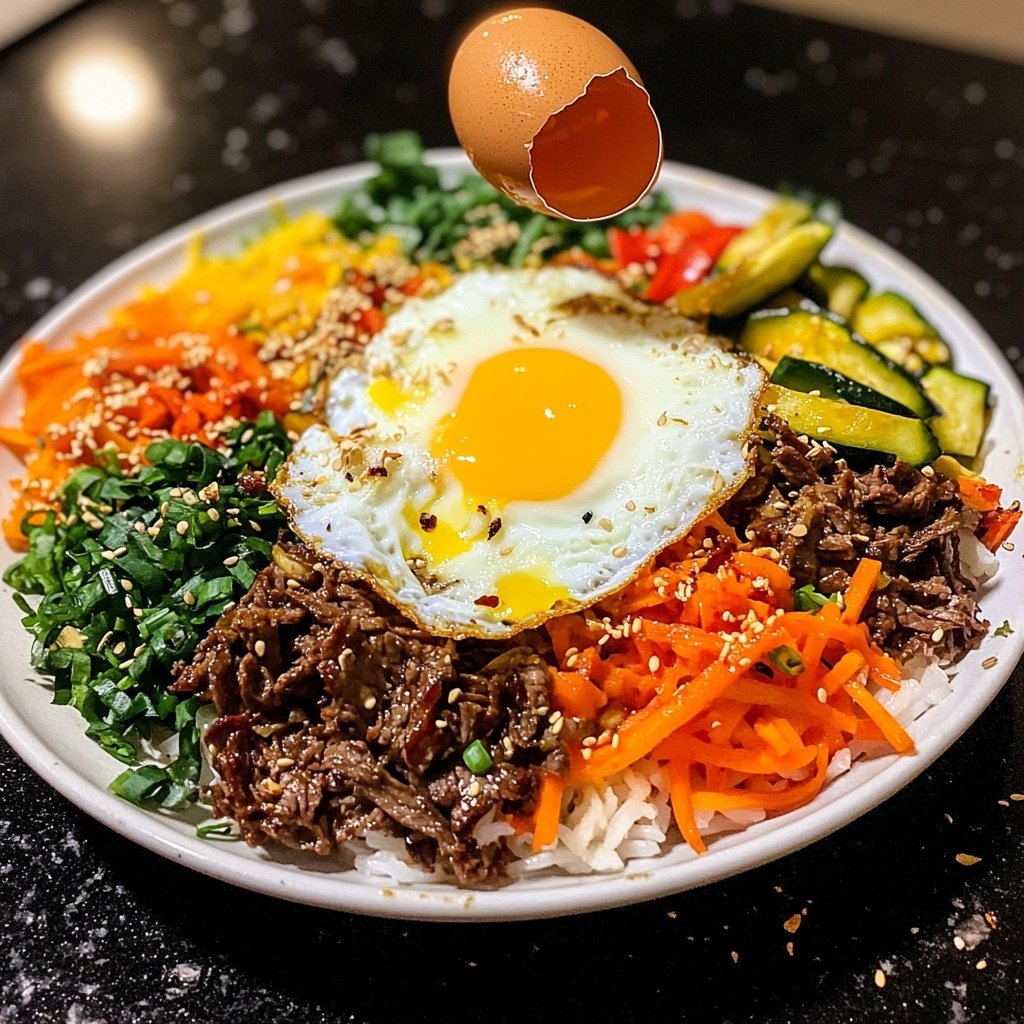
Enjoy your meal with a side of kimchi for an authentic experience!
Pro Tips
- Feel free to customize the toppings according to your taste preferences.
Serving Suggestions
Korean Bibimbap is incredibly versatile, making it suitable for various occasions. Whether you're serving it for a casual weeknight dinner or a festive gathering, it can be adapted to meet all tastes. Pair it with traditional Korean sides like kimchi for an authentic experience. If you're hosting a dinner party, consider offering a bibimbap bar, allowing guests to customize their bowls with their favorite toppings and proteins.
For a lighter meal, serve bibimbap with a side of miso soup or a refreshing cucumber salad. The combination of flavors will delight your palate while keeping the meal balanced and fulfilling.
Storage and Reheating
If you have leftovers, bibimbap can be stored in an airtight container in the refrigerator for up to three days. However, keep the components separate if possible, as this will help maintain the texture of the ingredients. When ready to enjoy, simply reheat the rice and proteins in a microwave or skillet until warmed through. Fresh vegetables can be added cold or sautéed quickly to revive their flavors.
To ensure your bibimbap stays fresh, avoid adding the gochujang and sesame oil until you're ready to eat. This way, the flavors remain vibrant, and the dish doesn't become soggy. Enjoying bibimbap the next day can be a delightful experience, as the flavors often meld beautifully overnight!
Questions About Recipes
→ Can I make Bibimbap vegetarian?
Yes, simply omit the meat and add more vegetables or tofu.
→ What can I substitute for gochujang?
You can use sriracha or another chili paste, but the flavor will differ.
→ How do I store leftovers?
Store the components separately in airtight containers in the fridge for up to 3 days.
→ Can I use brown rice instead of white rice?
Absolutely! Brown rice adds more fiber and nutrients.
Korean Bibimbap
Created by: Juniper Hale
Recipe Type: Heritage Recipes
Skill Level: Intermediate
Final Quantity: 4 servings
What You'll Need
Ingredients for Bibimbap
- 2 cups cooked rice
- 1 cup spinach, blanched
- 1 cup carrots, julienned
- 1 cup zucchini, julienned
- 1 cup bean sprouts, blanched
- 4 fried eggs
- 1 cup cooked beef or chicken, sliced
- Gochujang (Korean chili paste)
- Sesame oil
- Sesame seeds
- Green onions, chopped
How-To Steps
Blanch the spinach and bean sprouts. Sauté the carrots and zucchini until tender.
If using beef or chicken, cook it in a skillet until fully cooked and seasoned.
In a bowl, place a serving of rice at the bottom, then arrange the vegetables and protein on top.
Top with a fried egg, drizzle sesame oil, and add a spoonful of gochujang. Sprinkle with sesame seeds and green onions.
Mix all the ingredients together before eating. Enjoy your homemade Korean Bibimbap!
Extra Tips
- Feel free to customize the toppings according to your taste preferences.
Nutritional Breakdown (Per Serving)
- Calories: 500 kcal
- Total Fat: 20g
- Saturated Fat: 6g
- Cholesterol: 180mg
- Sodium: 600mg
- Total Carbohydrates: 60g
- Dietary Fiber: 5g
- Sugars: 5g
- Protein: 20g